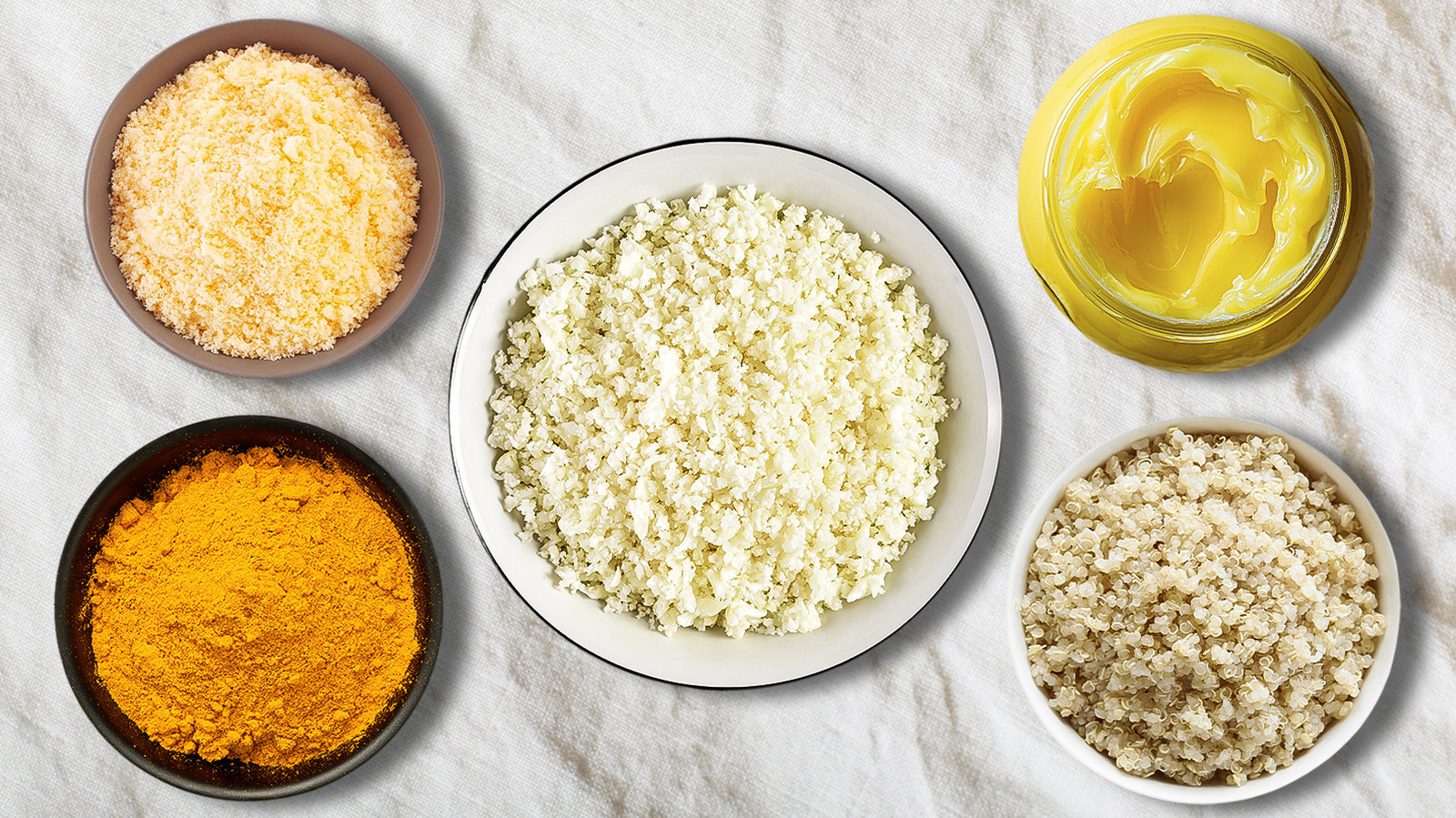
Flavorful Cauliflower Rice: Beyond Bland with Fat, Herbs & Grains
Cauliflower rice, or riced cauliflower as it's often called, has become a culinary darling for those seeking a versatile, low-carb alternative to traditional grains. It’s a fantastic way to lighten meals, boost vegetable intake, and cater to various dietary preferences, from keto to gluten-free. Yet, for all its health benefits and adaptability, cauliflower rice often earns a notorious reputation for being... well, bland. Many find themselves pushing around a tasteless, watery pile on their plate, wondering if the hype is truly worth it. The good news? That disappointing experience is entirely avoidable. Just like its starchy counterpart, plain
cauliflower rice is a blank canvas, simply waiting for the right artistic touches to transform it into a truly delicious and satisfying component of any meal.
The Foundation of Flavor: Why Blandness is Optional for Cauliflower Rice
At its core, cauliflower rice is, as its name suggests, just cauliflower processed into small, rice-like pieces. Raw cauliflower itself possesses a mild, slightly cruciferous flavor and, crucially, virtually no fat. This inherent lack of richness and strong natural taste is precisely why it can fall flat when cooked without a little culinary intervention. Think of it this way: would you eat a bowl of plain, steamed white rice on its own and expect an explosion of flavor? Probably not. You’d serve it with a saucy main, a flavorful curry, or incorporate it into a pilaf. The same principle applies to cauliflower rice. It thrives when paired with other ingredients, but it can also be a star in its own right – you just need to equip it with the right supporting cast of flavors.
The secret to unlocking delicious cauliflower rice isn't a complex culinary technique or a secret ingredient, but rather a thoughtful approach to seasoning and cooking. It's about building layers of flavor using elements like fats, herbs, spices, and even combining it with other grains for textural and taste complexity. The beauty is that any one of these additions can elevate the dish, but truly unforgettable cauliflower rice often comes from combining two or more for a symphony of tastes and textures.
Embracing Fat: The Essential Flavor Carrier
If there's one golden rule in the kitchen for transforming bland ingredients, it’s this: fat equals flavor. And for cauliflower rice, which is essentially fat-free in its raw state, this rule is paramount. Coating each little "grain" of cauliflower with a quality fat not only prevents it from sticking but also infuses the entire dish with a rich, satisfying taste that plain steamed cauliflower simply can't achieve.
To get started, aim for about a tablespoon of your chosen fat for every four cups of riced cauliflower. Sautéing the cauliflower rice in this fat for five to ten minutes is usually sufficient; if you're working with frozen cauliflower rice, you might need an extra few minutes to cook off excess moisture and develop flavor.
Your choice of fat can dramatically influence the final profile of your dish:
- Butter: A classic choice, butter imparts a comforting, creamy richness. For an even deeper, more complex flavor, reach for grass-fed butter, which often boasts a richer, nuttier profile compared to its conventional counterpart.
- Ghee: Popular in Indian cuisine, ghee is clarified butter with the milk solids removed. This process leaves behind a highly concentrated buttery taste with subtle nutty undertones and a higher smoke point. It's an excellent option for a profoundly rich flavor.
- Olive Oil: Extra virgin olive oil offers a distinctive grassy, often peppery note that pairs beautifully with Mediterranean-inspired dishes. Its robust flavor can stand up well to herbs like oregano, basil, and thyme.
- Coconut Oil: For a touch of the tropics, coconut oil brings a delicate, nutty sweetness that complements Asian and Southeast Asian flavors. If you're going this route, consider stirring in a splash of full-fat coconut milk towards the end of cooking. This not only enhances the tropical vibes but also adds a lovely creaminess, making your cauliflower rice the perfect side for curries, stir-fries, or grilled fish.
- Other Oils: Don't overlook avocado oil for a neutral, high-heat option, or a tiny drizzle of toasted sesame oil (added at the very end) for a potent Asian-inspired aroma.
Elevating Taste: Herbs, Spices, and Aromatics
Once you’ve laid down a flavorful fat base, the next step is to introduce the aromatic powerhouses: herbs, spices, and fresh aromatics. These are the ingredients that truly define the character of your cauliflower rice, transforming it from a simple side into a culinary experience.
*
Aromatics First: Begin by sautéing finely minced garlic, diced onion, or chopped shallots in your chosen fat before adding the cauliflower rice. These foundational aromatics release their sweet, pungent flavors, building a savory bedrock for your dish. For an extra layer of warmth, grated fresh ginger can be added, particularly if you’re aiming for an Asian-inspired profile.
*
Herbs – Fresh vs. Dried:
- Fresh Herbs: Parsley, cilantro, dill, chives, mint, and basil should generally be stirred in towards the end of cooking or just before serving. Their vibrant, fresh notes are delicate and can diminish with prolonged heat. A generous handful of fresh chopped parsley or cilantro can instantly brighten up any dish.
- Dried Herbs: Oregano, thyme, rosemary, and marjoram are more robust. They can be added earlier, along with the cauliflower rice, allowing their flavors to bloom in the hot fat. For an even more intense flavor, lightly toast dried spices like cumin, coriander, or paprika directly in the hot oil for a minute before adding your cauliflower rice – this technique awakens their essential oils.
*
Spices for Global Flavors: The world of spices offers endless possibilities. Cumin, turmeric, paprika, chili powder, and curry powder can transport your cauliflower rice to different culinary landscapes. A pinch of red pepper flakes adds a kick, while smoked paprika offers a deep, smoky undertone. Remember to season generously, tasting as you go.
For those looking for specific ideas, a simple garlic parmesan cauliflower rice can be ready in under 20 minutes, while a spicy sriracha cauliflower rice offers a satisfying fiery kick. Or perhaps a refreshing lemon herb cauliflower rice, light and fragrant, is more to your taste. These quick and flavorful options prove that healthy eating doesn't have to be boring.
Beyond Pure Cauliflower: The Power of Blending with Grains
While cauliflower rice is excellent on its own, there's no need to limit yourself. Blending it with traditional grains offers a fantastic way to boost both flavor and texture, creating a more substantial and satisfying side dish without sacrificing too much of the low-carb appeal. This strategy is particularly effective for those transitioning to lower-carb diets or simply looking to add more fiber and nutrients to their meals.
When blending, you can use any ratio that suits your preferences and nutritional goals. Equal parts cauliflower rice and grain are a common starting point, but you can always opt for less grain if you're keeping a stricter eye on carbohydrate totals. It's important to remember that most grains and cauliflower rice have different cooking times. To ensure everything is perfectly cooked, it's generally best to cook the grain separately and then combine it with the prepared cauliflower rice.
Here are some popular grain pairings:
- Jasmine Rice: The fragrant scent and subtle floral notes of jasmine rice can beautifully mask any lingering cruciferous undertones of cauliflower, creating a harmonious blend perfect for curries, stir-fries, or even a vibrant poke bowl.
- Quinoa: For a significant protein boost and a pleasant, slightly chewy texture, mix in cooked quinoa. Its nutty flavor complements cauliflower rice wonderfully, and it adds a complete protein to your dish, making it more filling.
- Brown Rice: If you're looking for a heartier, nuttier blend with extra fiber, brown rice is an excellent choice. Its chewiness provides a lovely contrast to the softer texture of cauliflower rice.
- Farro or Barley: For a more robust, chewy grain experience, consider cooked farro or barley. These ancient grains add a rustic charm and a satisfying mouthfeel to your blend.
- Lentils: While not a grain, cooked lentils can be blended with cauliflower rice for an earthy flavor, added protein, and a unique texture. This combination works particularly well in Mediterranean or Indian-inspired dishes.
Additionally, consider folding in toasted nuts or seeds – slivered almonds in an almond-turmeric cauliflower rice or sesame seeds in an Asian-inspired blend – for an extra layer of crunch and healthy fats.
Creative Culinary Twists: Recipes and Techniques
The true versatility of cauliflower rice shines when you begin to explore various cooking techniques and global flavor profiles. It's not just a side; it can be the foundation of main dishes too. For a treasure trove of inspiration, check out these
18 flavorful cauliflower rice recipes that prove healthy eating doesn't have to be boring.
Beyond the basic sauté, consider these methods for different textures and flavors:
- Roasting: Roasting cauliflower rice in the oven at a higher temperature (around 400°F/200°C) with a good drizzle of olive oil and your favorite seasonings can yield a slightly drier, beautifully caramelized texture. This method deepens its flavor, adding a pleasant nuttiness that is distinct from sautéing.
- "Risotto" Style: You can create a creamy, decadent cauliflower rice "risotto." Sauté your aromatics, add the cauliflower rice, then gradually stir in warm vegetable or chicken broth, along with cheese (like Parmesan) and perhaps a splash of cream or full-fat coconut milk, until it reaches a creamy consistency. An immersion blender or potato masher can help achieve a smoother texture if desired.
- Pilaf Style: Cook your cauliflower rice with broth, toasted nuts, dried fruits (like cranberries or apricots), and a medley of spices for a vibrant, flavorful pilaf that stands on its own.
Whether you’re craving something cozy, fresh, or packed with global flair, cauliflower rice can deliver. From quick weeknight dinners to impressive meal-prep heroes, its adaptability makes it a truly exciting ingredient to experiment with in your kitchen.
In conclusion, the days of bland, disappointing cauliflower rice are officially over. By understanding its nature as a flavor-neutral canvas and strategically incorporating healthy fats, vibrant herbs, aromatic spices, and even combining it with complementary grains, you can transform this humble vegetable into a truly delicious and satisfying component of any meal. Embrace the endless possibilities, get creative with your seasonings, and discover how truly flavorful cauliflower rice can be.