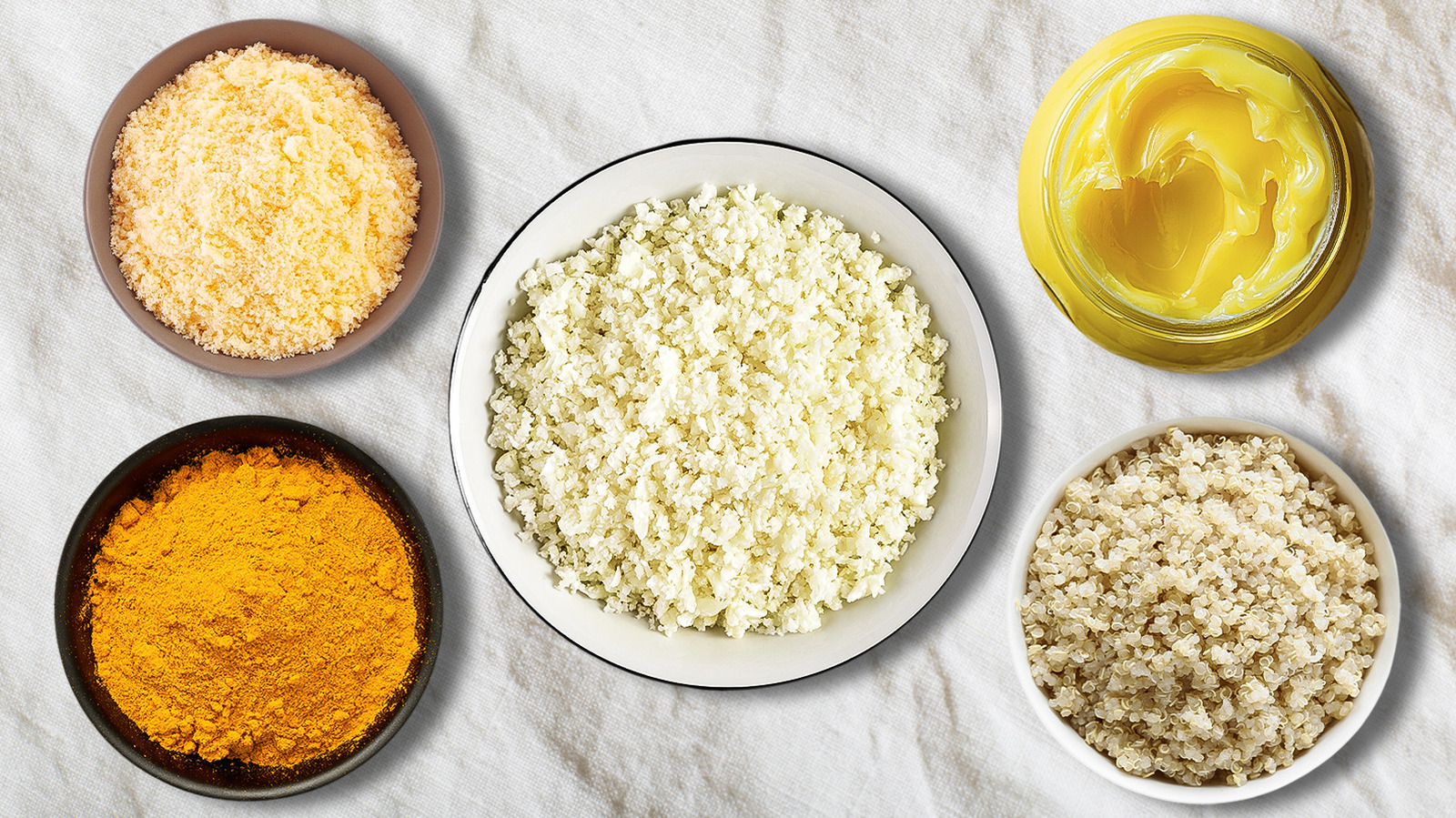
Unlocking the Potential: From Bland to Brilliant with Cauliflower Rice
Once relegated to the niche world of low-carb diets, cauliflower rice has officially entered the mainstream. Praised for its versatility as a rice alternative, it offers a fantastic way to lighten meals, boost vegetable intake, and cater to various dietary needs. However, despite its many merits, cauliflower rice often suffers from a common complaint: it can be incredibly bland. Without the right approach, this cruciferous chameleon, essentially just processed cauliflower florets, struggles to stand on its own in the flavor department.
But what if we told you that your cauliflower rice doesn't have to be a flavorless filler? What if it could be a vibrant, aromatic, and deeply satisfying side dish in its own right? The secret lies not in masking its natural taste but in enhancing it with simple yet powerful culinary techniques and ingredients. Think of cauliflower rice not as a compromise, but as a blank canvas ready to absorb a symphony of flavors. We’re here to guide you through transforming this humble vegetable into a culinary star.
The Golden Rule: Fat is Your Flavor Foundation
Raw cauliflower, while nutritious, contains virtually no fat, which is a primary carrier of flavor and contributes significantly to mouthfeel. This is why the very first step to delicious cauliflower rice involves introducing a quality fat. A single tablespoon of your preferred fat per 4 cups of riced cauliflower is often enough to create a profound difference, coating each tiny piece and infusing the dish with richness.
- Butter: A classic choice, butter imparts a creamy, savory depth. For an even more complex flavor profile, opt for grass-fed butter, which boasts a richer taste. Don't shy away from browning your butter slightly before adding the cauliflower rice – the nutty notes of browned butter are truly transformative.
- Ghee: This clarified butter, a staple in Indian cuisine, takes butter's flavor and concentrates it, offering a deeply buttery, slightly nutty aroma that can elevate your cauliflower rice to new heights. It's excellent for dishes with an Indian or Middle Eastern flair.
- Olive Oil: Extra virgin olive oil brings its iconic grassy, peppery notes, making it a perfect partner for Mediterranean-inspired meals. Its robust flavor stands up well to herbs and citrus.
- Coconut Oil: For a subtly sweet and nutty undertone, coconut oil is an excellent choice. It pairs beautifully with Asian-inspired dishes, especially when complemented by a splash of full-fat coconut milk for added creaminess and tropical vibes. Imagine this base paired with a Thai curry or a Southeast Asian stir-fry!
The method is simple: heat your fat of choice in a pan over medium heat, then add your cauliflower rice. Sauté for 5-10 minutes, stirring occasionally. If you're using frozen cauliflower rice, extend the cooking time towards the higher end, ensuring any excess moisture has evaporated before adding other ingredients.
Beyond the Basics: Aromatic Enhancements and Seasoning Secrets
Once you’ve established a flavorful fat base, the next step is to layer in aromatics, herbs, and spices. These ingredients are game-changers, transforming cauliflower rice from a muted side to an exciting centerpiece.
- Alliums: Garlic and onion are your best friends here. Sauté minced garlic or finely diced onion/shallots until fragrant before adding the cauliflower rice. Roasted garlic can also offer a sweeter, deeper flavor profile.
- Fresh Herbs: Stir in fresh herbs at the very end of cooking to preserve their vibrant flavor and color. Think chopped parsley, cilantro, chives, dill, or even mint for a refreshing twist. These add a burst of freshness and visual appeal.
- Dried Spices: Don't underestimate the power of your spice rack. Toasting dried spices like cumin, coriander, turmeric, paprika, or curry powder directly in your cooking fat before adding the cauliflower rice helps to bloom their flavors, releasing their full aromatic potential. A pinch of red pepper flakes can add a subtle warmth or a fiery kick.
- Citrus Zest & Juice: A squeeze of lemon or lime juice, along with a sprinkle of their zest, can brighten the entire dish, cutting through richness and adding a refreshing tang. This is the secret behind a truly delicious Lemon Herb Cauliflower Rice.
- Umami Boosters: For an extra layer of savory depth, consider a dash of soy sauce (or tamari for gluten-free), a sprinkle of nutritional yeast for a cheesy note, or even a pinch of mushroom powder.
Remember to taste as you go. Seasoning with salt and freshly ground black pepper throughout the cooking process, rather than just at the end, allows the flavors to meld beautifully.
Creative Combinations: Texture, Grains, and Global Flair
Flavor isn't just about taste; it's also about texture. Cauliflower rice, by itself, can sometimes lack the chewiness of traditional grains. Here are some techniques and ideas to enhance its mouthfeel and culinary versatility.
Blending with Grains for a Flavor & Texture Boost
There's no rule that says cauliflower rice has to fly solo. Mixing it with your grain of choice is an ingenious way to boost both flavor and texture, offering a satisfying bite while still reducing overall carbohydrate content. You can blend the two in whatever ratio you prefer, typically starting with equal parts cauli rice and grain, and adjusting based on your dietary goals.
Important Note: Grains and cauliflower rice almost always have different cooking times. Cook your chosen grain (like jasmine rice for its fragrant notes, quinoa for protein, or brown rice for nutty chew) separately according to package directions. Once both are cooked, gently fold them together. The subtle floral notes of jasmine rice, for instance, can artfully mask any remaining "cruciferous" notes of the cauliflower, making it an ideal companion for curries, stir-fries, or even a vibrant poke bowl.
Embracing Different Cooking Methods
- Roasting: While sautéing is common, roasting cauliflower rice can achieve a wonderfully tender-crisp texture and a deeper, slightly caramelized flavor that pan-frying can't replicate. Spread your seasoned cauliflower rice on a baking sheet and roast at a high temperature (around 400°F/200°C) until golden brown. This method also helps prevent sogginess.
- Mashing/Pureeing: For a "creamier" experience, after cooking, use an immersion blender or potato masher to create a smoother, mashed cauliflower rice. This is perfect as a side dish under a saucy main where you want a less distinct "grain" texture, mimicking mashed potatoes or polenta.
Global Flavor Profiles to Inspire You
Let your culinary imagination run wild by drawing inspiration from global cuisines. Some popular and utterly delicious variations include:
- Garlic Parmesan Cauliflower Rice: Sautéed with plenty of garlic, finished with grated Parmesan cheese, fresh parsley, and a touch of black pepper. A simple yet incredibly satisfying side, ready in under 20 minutes.
- Spicy Sriracha Cauliflower Rice: Infuse your cauliflower rice with a kick by sautéing it with garlic, ginger, and a generous swirl of sriracha. A splash of soy sauce and a sprinkle of sesame seeds complete this fiery side.
- Mexican-Inspired Cauliflower Rice: Cook with sautéed onions, garlic, cumin, chili powder, and diced tomatoes. Finish with fresh cilantro and a squeeze of lime juice for a zesty, vibrant accompaniment to tacos or fajitas.
- Coconut-Lime Cauliflower Rice: As mentioned, cooking with coconut oil and a splash of full-fat coconut milk, then finishing with lime juice and zest, creates a truly tropical side perfect for grilled fish or chicken.
The beauty of cauliflower rice is its adaptability. It eagerly absorbs the flavors you introduce, allowing you to create an endless array of delicious, healthy, and satisfying dishes.
Conclusion: Your Flavorful Cauliflower Rice Journey Awaits
Gone are the days when cauliflower rice was synonymous with blandness. By understanding the foundational role of fat, embracing the aromatic power of herbs, spices, and alliums, and exploring diverse cooking techniques and ingredient combinations, you can transform this humble vegetable into a truly remarkable side dish. Whether you're aiming for a quick weeknight meal or a sophisticated accompaniment, the world of flavorful cauliflower rice is vast and inviting. So, grab your skillet, open your spice cabinet, and get ready to create a cauliflower rice that not only meets your dietary goals but also delights your taste buds.
